

Oct, 14 2026 - 7 mins
How to Save Money on a Ski Holiday: Budget Skiing Tips for 2026/27
There’s no getting around the fact that ski holidays can be expensive, from accommodation and lift passes to equipment hire, food and getting to the resort. But skiing on a budget doesn’t mean you have to compromise on the experience. There are plenty of ways to cut the cost of a ski trip, both when booking and once you’re in the resort.
Here are 10 practical tips for saving money on a ski holiday in 2026/27, without taking the fun out of your time on the slopes.
Big Savings Before You Go
1. Choose a Cheaper Resort
It might sound obvious, but where you choose to ski can have a huge impact on the cost of your holiday. Many skiers automatically look at the resorts they know best, but some of Europe’s most popular destinations can also come with a much higher price tag.
It’s worth looking beyond the biggest and best-known resorts and comparing less expensive alternatives. Pal-Arinsal in Andorra, for example, was voted Best Value Resort in Europe in our 2025 Snomad Ski Resort Awards, with an impressive score of 4.81/5.
Choosing a smaller or less famous resort doesn’t necessarily mean having a worse ski holiday. In many cases, you can still find good skiing, a range of accommodation and plenty of après-ski, while spending considerably less than you would in one of Europe’s most expensive resorts. In fact, lesser-known ski resorts can offer a more positive and more authentic experience in some cases. There is a good chance you will get quieter slopes, shorter lift lines and powder that doesn’t get tracked out as quickly. If you’re a first-time skier, travelling with kids, or just concerned about safety in general, less-known resorts may potentially be safer, with less people racing down busy slopes.
Check out our Best Value Ski Resorts rankings, based off of genuine reviews from skiers and snowboarders, to find the perfect resort for you.
2. Ski Outside Peak Season
Travelling outside the peak periods can make a significant difference to the cost of a ski holiday. To show just how much you could save, we compared a one-week trip to Les 2 Alpes in December, using the same flights, transfer, hotel, room type, and ski pass for two adults. The only difference is the dates.
| Cost | 10–17 December | 21–28 December |
|---|---|---|
| Flights, transfers & accommodation | £1,692.60 | £2,593.13 |
| 6-day ski pass | £479.15 | £564.15 |
| Total | £2,171.75 | £3,157.28 |
The 10–17 December trip costs £985.53 less for two adults than travelling over the Christmas period. Of course, this is just one example, and prices will vary depending on the resort, dates and type of holiday. However, it shows how choosing a quieter time to ski can make a substantial difference to your overall budget.
Find out more about quiet and busy periods on the slopes in our guide on the Best Time to Ski in Europe.
3. Accommodation
Where you stay can have a big impact on the overall cost of your ski holiday. Staying in the heart of the resort is convenient, but you can often find cheaper options by looking a little further afield.
Consider staying in a neighbouring village, particularly if it has a regular bus or ski shuttle to the main resort. Accommodation can be considerably cheaper while still giving you easy access to the slopes.
It is also worth comparing different types of accommodation rather than automatically choosing a hotel. Apartments can offer better value, especially for groups, and having access to a kitchen gives you the option to prepare some meals yourself rather than eating out every day.
Ski Specific Savings
4. Save on Ski Hire
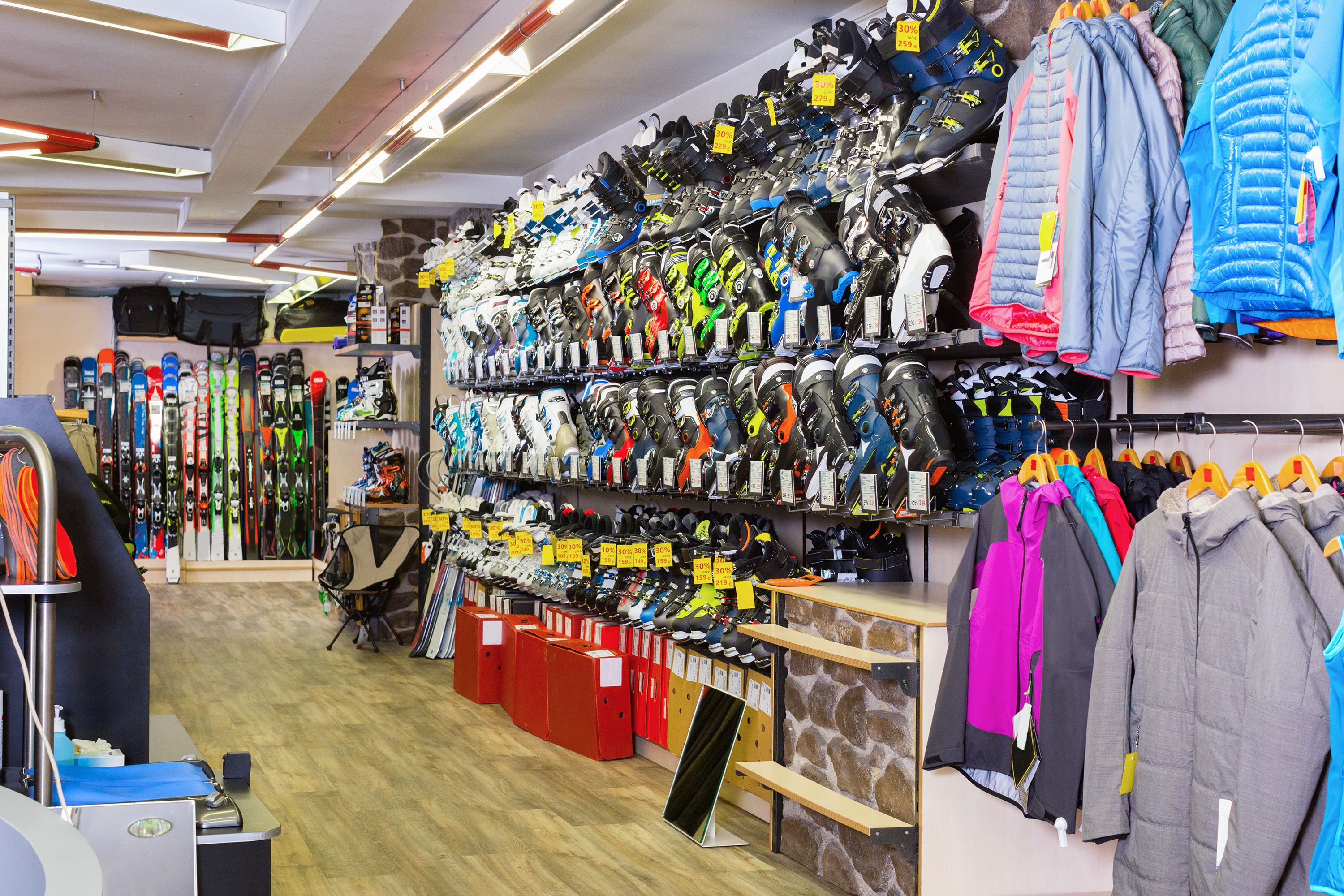
Booking your ski or snowboard equipment in advance is often cheaper than arranging it when you arrive at the resort.
Online discounts can make a noticeable difference. For example, Skiset advertises savings of up to 50% when booking online, with Snomad visitors able to get an additional 5% off and Snomad Premium members 10% off. Alpy advertises savings of up to 65% for online bookings, with Snomad visitors receiving an additional 5% off ski and snowboard hire. INTERSPORT also currently advertises online savings of up to 60%, with Snomad visitors able to extra 6% off.
It is worth comparing prices and checking for available discounts before booking your equipment. Booking ahead can save you money and means you can arrive at the resort with your equipment already arranged. If you’re unsure which provider to choose, take a look at our guide to the Best Ski Hire to find the right option for your trip.
5. Save on Lift Passes
There are a few ways to keep the cost of your lift pass down. Buying in advance can often be cheaper than purchasing when you arrive, while also giving you time to look for discounts and check whether the resort offers group or family packages. For example, Snomad visitors can save up to 10% on Les 2 Alpes ski passes.
It’s also worth checking exactly what your pass includes before paying for the widest possible access. Look at the resort’s piste map and consider which areas you are actually likely to ski. If you’re a beginner or only going for a short trip, you may not need access to the entire ski area. In Les Arcs, for example, the six-day Classic Pass gives access to the Les Arcs/Peisey-Vallandry ski area for** €368,** while the Essential Pass costs €412 and also includes access to La Plagne. If you’re unlikely to ski over to La Plagne, there may be little reason to pay the extra €44.
Finally, think about how many days you will actually ski. If you arrive late in the day, for example, it may be cheaper to start your pass the following morning rather than paying for a day that you might not use.
6. Save on Transfers
Airport transfers can be another significant expense, but there are ways to keep the cost down. Shared transfers are usually one of the more budget-friendly options for getting from the airport to the resort. They can take a little longer than a private transfer, as you may have to wait for other passengers and make additional stops, but the lower price can make them worthwhile.
Booking your transfer in advance can also help you find a better price and gives you time to compare different providers and look for available discounts. Ben’s Bus offers Snomad visitors 5% off all transfers, increasing to 10% for Snomad Premium members. Alpine Fleet also offers 5% off for Snomad visitors and 10% off for Premium members. Alps2Alps offers 7% off for Snomad visitors, 9% for registered members and 12% for Premium members on private transfers.
If you’re travelling as a larger group, also check the cost of a private transfer. Splitting the price between several people can make the difference per person smaller, while giving you a more direct journey to the resort.
It is worth comparing prices and checking for available discounts before booking your transfer. If you’re unsure which provider to choose, take a look at our guide to Ski Transfers to find the right option for your trip.
Day-to-Day Savings
7. Save on Food and Drink
Food and drink can quickly add up on a ski holiday, particularly when you’re tired after a morning on the slopes and the nearest mountain restaurant is the easiest option. A little planning can help you keep these costs under control without having to avoid eating out altogether.
Taking a reusable water bottle with you is a simple way to avoid buying bottled water throughout the day, while packing your own lunch can save considerably compared with eating at a mountain restaurant. It also gives you more flexibility, allowing you to choose where and when you stop rather than planning your day around a restaurant.
Of course, eating at a mountain restaurant can be part of the ski holiday experience, and you don’t have to cut it out completely. Look up restaurants and their prices before you head out for the day so you know where offers good value and can plan your route accordingly. Staying in self-catered accommodation can also help reduce costs, as you can prepare some meals yourself. When buying food, shopping at a larger supermarket rather than smaller convenience stores can also help keep your overall spending down.
8. Save on Ski Clothing
There are plenty of opportunities to spend a lot of money on ski clothing, but you don’t necessarily need to buy everything new. One of the easiest ways to cut the cost is to borrow from family or friends. If someone has ski clothing that fits you, borrowing can save you a significant amount, particularly if you only ski once or twice a year.
Another option is to rent your ski clothing. Companies such as Crevasse offer ski clothing hire, while Cirkel Supply delivers rental clothing directly to ski accommodation in France and Austria. Renting can be particularly useful for children, who can quickly outgrow their ski gear and need a new size every season.
If borrowing or renting isn't an option and you want to buy your own clothing, consider shopping second-hand. Platforms such as Vinted can be a good place to find ski jackets, salopettes and other gear, often in very good condition.
It’s also worth thinking carefully about what you actually need. You don’t have to buy a completely new wardrobe just because you’re going skiing. Essential items such as ski socks, gloves, thermals, salopettes and a ski jacket are worth investing in, while plenty of other items can come from your existing wardrobe. A warm hoodie or fleece can work perfectly well as a mid-layer, for example, and you don’t necessarily need specialist footwear for walking around the resort if you already have suitable trainers or boots.
9. Save on the Small Extras
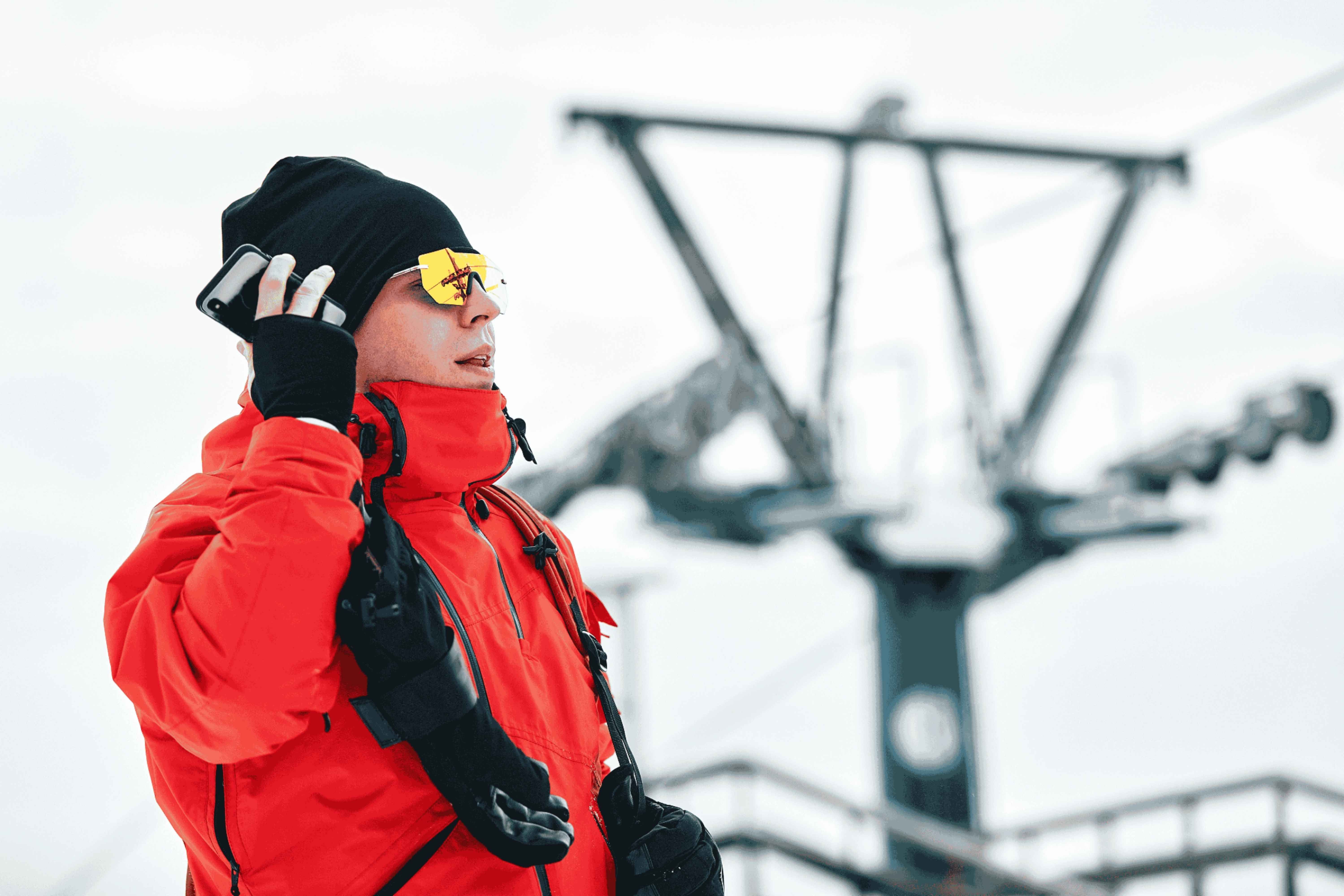
It's easy to overlook the smaller costs when planning a ski holiday, but they can quickly add up. Data roaming is one example that can catch you out, particularly if your mobile plan doesn’t include roaming in your destination. Check your provider’s roaming terms before you travel and consider an eSIM if it works out cheaper. Using Wi-Fi where possible and downloading piste maps in advance can also help you avoid using unnecessary data.
It’s also worth thinking about the small purchases you make once you arrive. Things like snacks, drinks and toiletries from resort shops can cost considerably more than they would at home. Packing essentials such as sunscreen, lip balm, hand warmers and snacks before you leave means you’re less likely to pay a premium for them in the resort. These savings might seem small individually, but over a week they can make a noticeable difference to your spending.
Costs Worth Keeping
10. Don’t Cut Corners on Insurance
One cost that isn’t worth cutting is travel insurance. Skiing comes with additional risks and potential costs, from medical treatment and mountain rescue to cancelled trips or lost equipment, so travelling without cover could end up being far more expensive than the policy itself.
Buying your insurance in advance can also help you save, as there are often discounts available when you compare policies and book online. It’s worth checking what each policy covers rather than simply choosing the cheapest option, particularly when it comes to winter sports cover.