


Oct, 14 2026 - 5 mins
How to Ski More Sustainably: Simple Changes You Can Make
You don’t have to give up on skiing altogether to make a difference. Small choices you make before and during your trip can reduce your impact without negatively affecting the experience. From how you travel to the resort to what you buy, eat and use while you’re there, there are plenty of ways to make more sustainable choices.
Getting to the Slopes Without Flying
One of the biggest changes you can make as a skier is to rethink how you travel to the mountains. Depending on where you’re travelling from, taking the train, driving or using public transport can be an alternative to flying. It won’t work for every trip, but checking your options before booking can help you find a lower-impact way to reach the slopes without giving up your ski holiday.
Take the Train
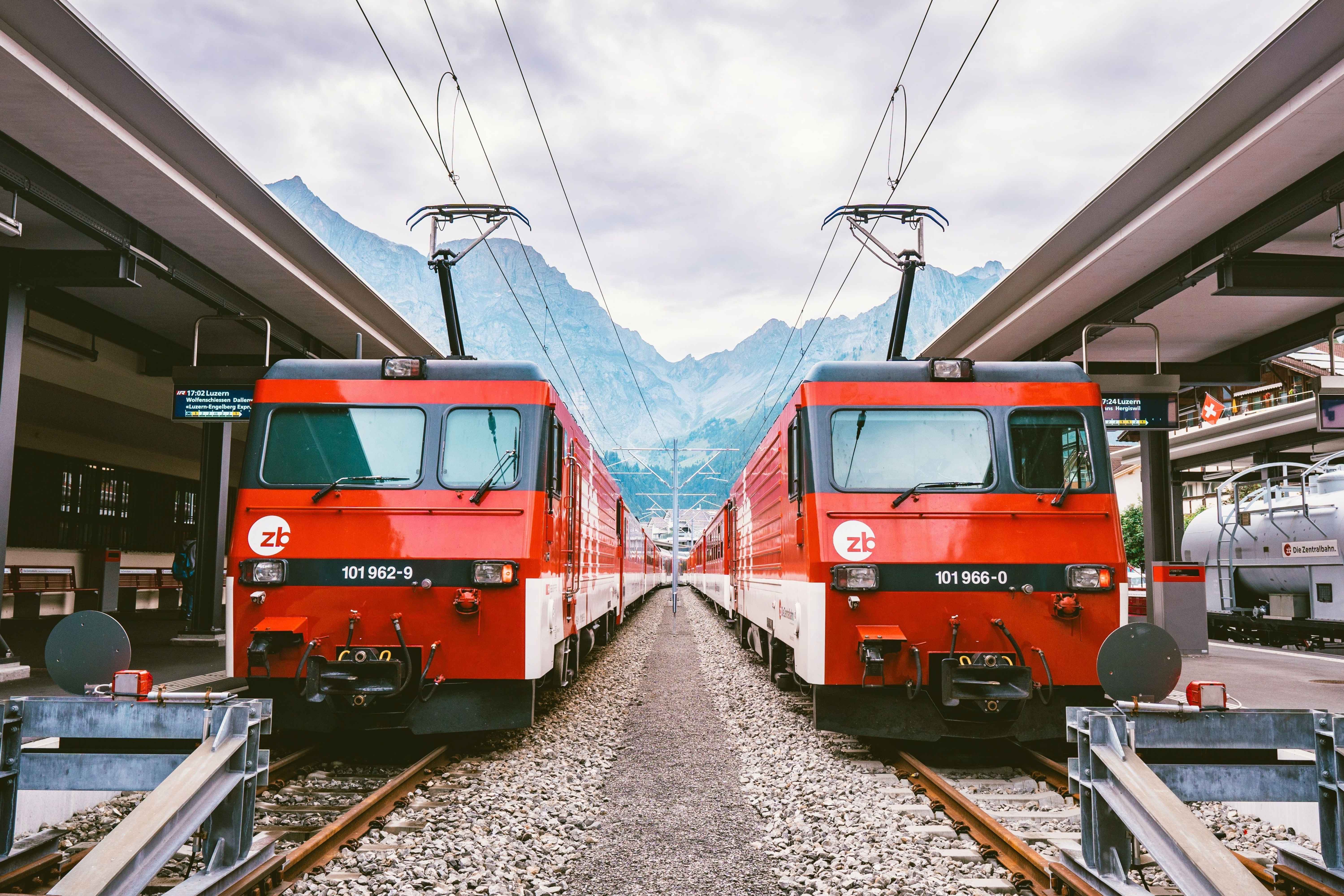
For some European resorts, travelling by train can be surprisingly straightforward. The Eurostar Snow train runs from 19 December 2026 to 28 February 2027, travelling from London St Pancras to Bourg-Saint-Maurice and making it possible to reach a number of French Alpine resorts without flying.
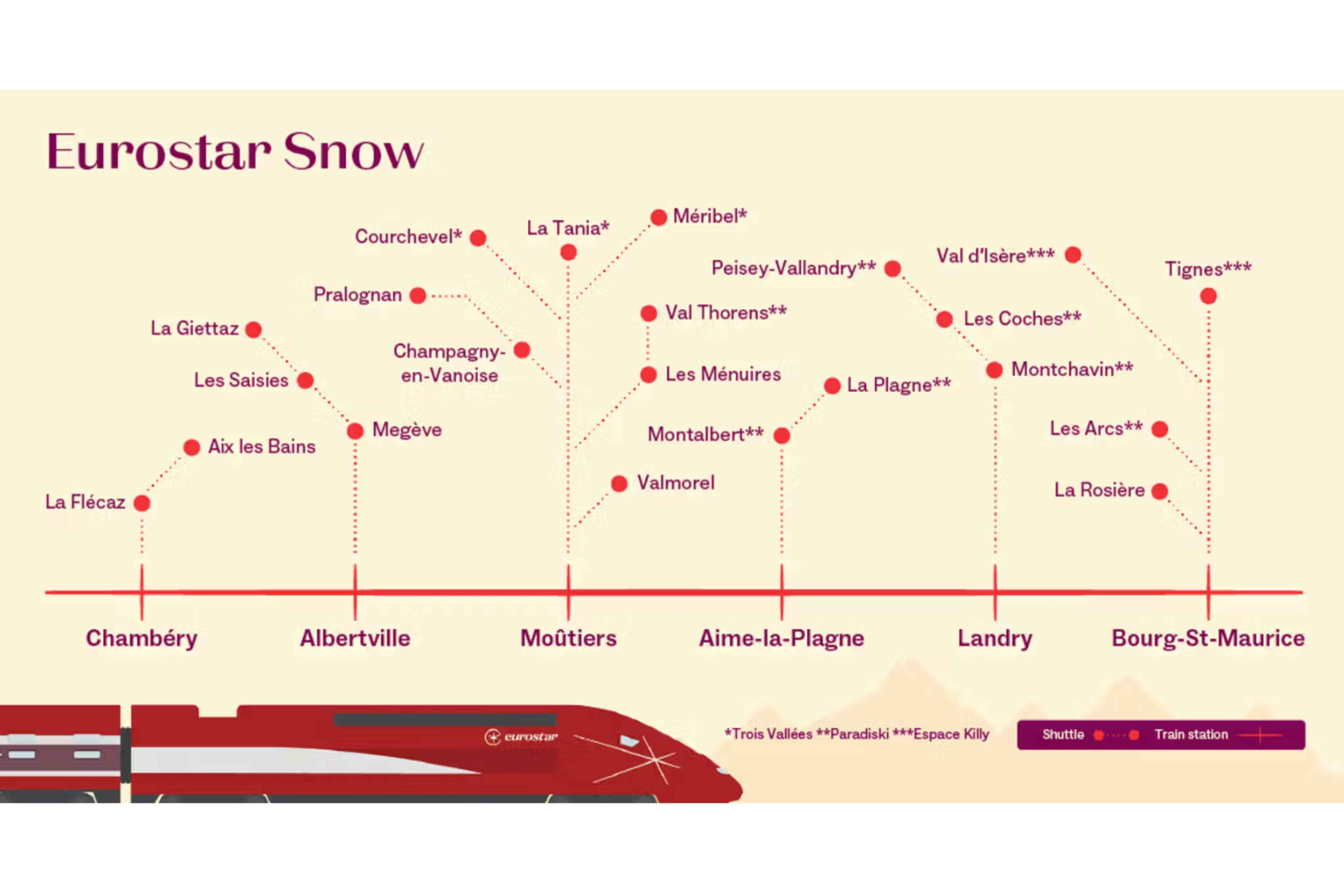 For example, travelling from London to Méribel by train can take less than eight hours and cost approximately £320 for a return journey, including the onward journey to the resort. When you consider that most ski holidays already involve setting aside time for travelling to and from the mountains, taking the train may only add a few hours to the journey while offering a way to reduce the impact of getting there. With just one change on the train, usually a 15-minute stop at Lille, the journey can be relatively straightforward. Your ticket also includes baggage, including ski and snowboard equipment, and you can avoid the usual two-hour airport check-in window, potentially making the journey less stressful from start to finish.
And it isn't just about the Alps. Depending on your starting point, rail networks can also make other European ski destinations accessible without taking a flight, so it’s worth checking the train options before automatically booking an airport transfer.
Drive Instead
If the train isn't practical for you, driving can be another option, particularly if you're travelling as a group. For example, driving from London to Chamonix takes around 10 hours, depending on traffic and stops, with the journey possible via the Eurotunnel or ferry. If several people can share the driving, the journey can be more manageable.
The environmental impact of driving will depend on factors such as the type of vehicle, distance travelled and number of passengers, so filling the car makes more sense than travelling alone. For a group already planning to travel together, sharing one car can be a practical alternative to everyone buying separate flights.
It can help keep the cost down, as fuel, crossing and toll costs can be split between passengers. You can take your own skis or snowboard too, without paying additional baggage fees, making driving a practical option for a group looking to make a few more sustainable choices.
If You Do Fly
Of course, travelling by train or car won't be practical for every ski trip. If you do fly, there are still smaller changes you can make once you land. Choosing a shared airport transfer instead of a private vehicle means travelling with other skiers heading in the same direction, reducing the number of vehicles needed to get everyone to the resort. It may take a little longer if there are multiple stops, but it can be a simple way to make a lower-impact choice.
Hire, Borrow or Buy Second Hand
You don't need to buy a whole new ski wardrobe every time you head to the mountains. Hiring, borrowing and buying second hand can all help you get the clothing and equipment you need while making better use of items that already exist.
Borrow from Friends and Family
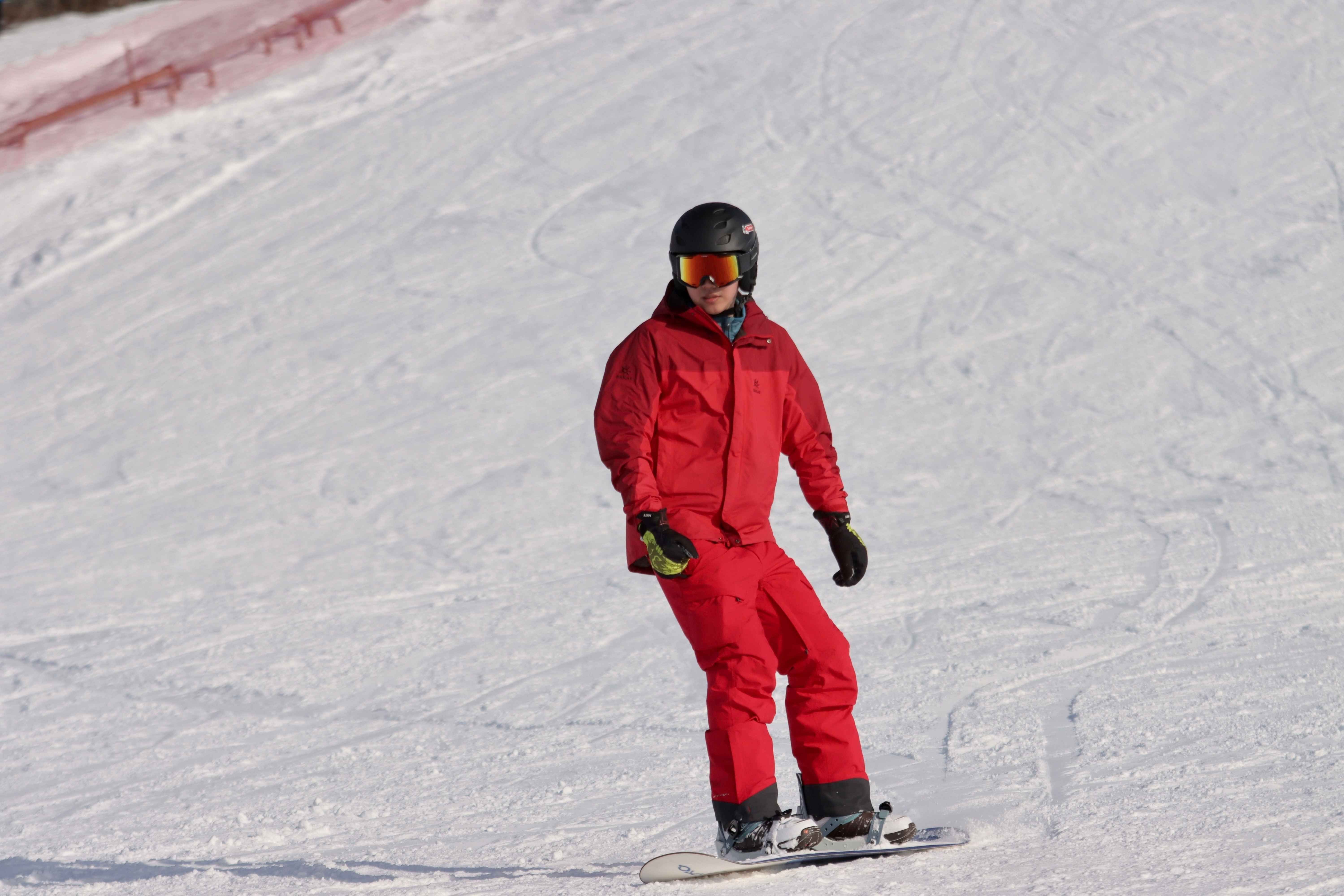
If you only ski once or twice a year, ask around before buying. Friends or family will likely have ski jackets, trousers, goggles or other kit sitting unused in their wardrobe. It's also a particularly useful option for children who can quickly outgrow their ski clothing.
Hire your ski clothing
Clothing rental is another option if you don't want to invest in a kit you'll only use occasionally. Companies such as Crevasse and EcoSki offer ski clothing hire, while Cirkel Supply delivers rental clothing directly to your ski accommodation in France and Austria. Hiring can also be cheaper than buying, avoids filling your luggage with bulky clothing and means you don't have to find space to store it at home between trips.
Buy second hand
If you do want to own your ski clothing, check second-hand options before buying new. Platforms such as Vinted and EcoSki have plenty of pre-owned ski jackets, salopettes and other winter clothing. Some of the items may have only been worn once or twice. Buying second hand can give good-quality clothing another life and often costs considerably less than buying new.
Repair rather than replace
Looking after the ski clothing and equipment you already own is another simple way to reduce waste. Repair small tears, replace worn components where possible, and store your gear properly at the end of the season. The longer you can keep using something, the less often you need to replace it. Alpkit have stores all over the UK that wash, restore and repair any brand.
Choose Accommodation Close to Public Transport
Where you stay can make a difference too. Choosing accommodation within walking distance of the slopes, lifts or a public bus route means you can get around the resort without relying on a car or private transfers. It can also make your trip easier, with less time spent travelling between your accommodation and the mountain.
Eat Local and Seasonal
A simple way to make your ski trip more sustainable is to think about where your food comes from. Choosing restaurants that use locally produced and seasonal ingredients can help support local producers and businesses, while reducing the need for ingredients to travel long distances to reach your plate.

A great example is AlpiNN in Kronplatz, Italy. Chef Norbert Niederkofler’s culinary philosophy centres on regional and seasonal ingredients, with local produce playing a key role in the restaurant’s approach.
You don't have to seek out fine dining to make a difference either. Choosing a local restaurant, trying regional specialities or buying from local producers can all be simple ways to make more conscious choices while you're in the mountains.
Respect the Mountain
Making more sustainable choices doesn't stop once you reach the slopes. Take your rubbish with you, avoid disturbing wildlife and stick to marked trails and pistes. Bringing a reusable water bottle can also help cut down on single-use plastic. When it comes to your equipment and skincare, consider chemical-free ski or snowboard wax and snow-safe sunscreen to reduce the amount of potentially harmful substances entering the mountain environment.
Try a Different Way to Ski
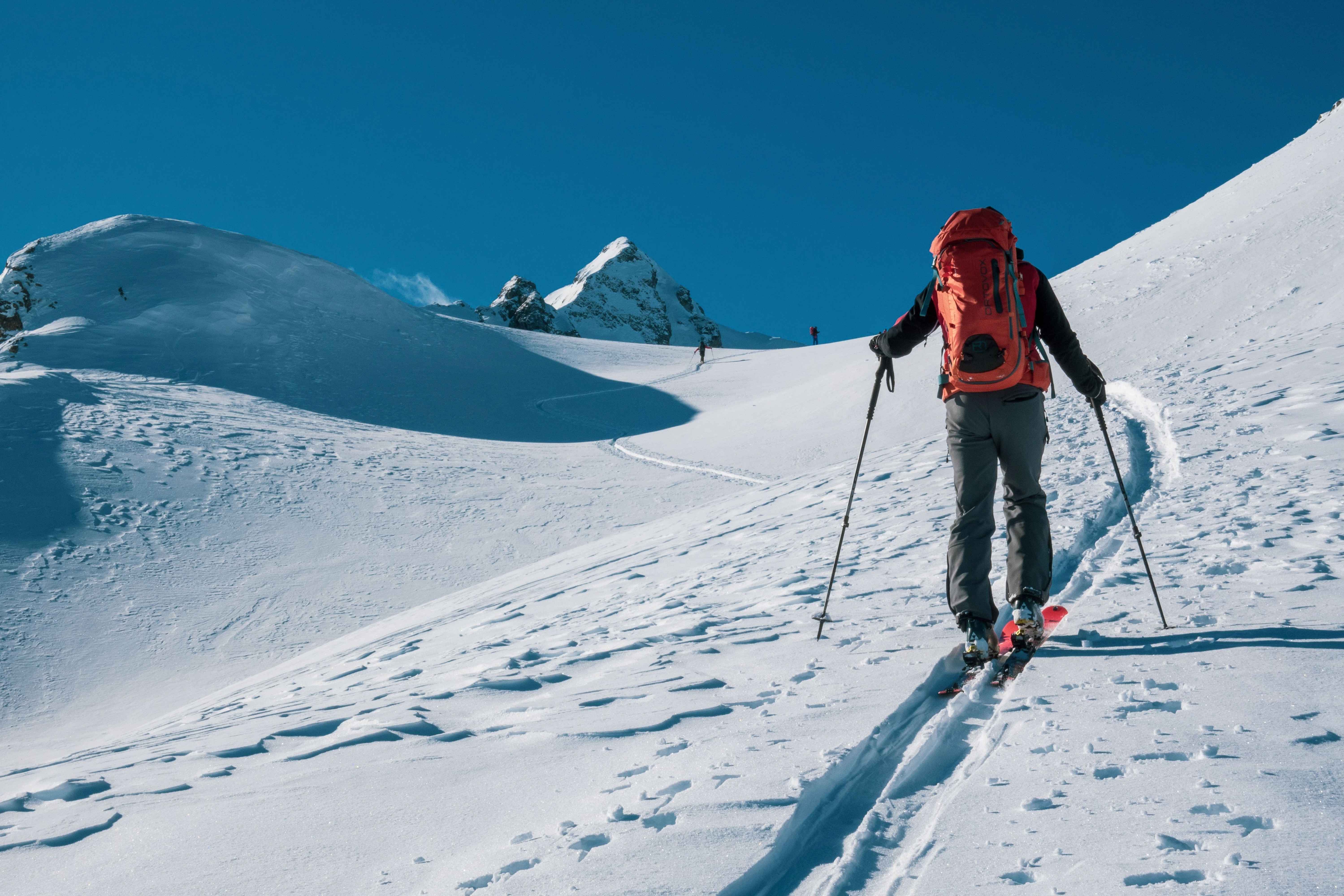
If you’re looking to try something new while reducing your reliance on lifts, consider cross-country skiing or ski touring. Both offer a different way to experience the mountains, using your own effort to explore rather than depending entirely on lifts.
Gressoney-La-Trinité in Italy is a great example for ski touring. The resort offers access to a wide range of touring terrain, with Snomad community member Josh describing it as having “some excellent ski touring options either for a day tour or a multi day trip over to Switzerland.” Choosing activities such as ski touring or cross-country skiing for part of your trip can be a simple way to experience the mountains differently while reducing your reliance on energy-intensive lift systems.
There are plenty of practical changes you can make to reduce the impact of your ski trip, from choosing how you travel and what you buy to being more mindful of what you eat and how you get around the resort. But hopefully, some of these choices can also add something to your trip rather than simply feeling like compromises. Trying a new local restaurant, exploring the mountains on a different type of ski or discovering a resort without relying on a car could all become part of the experience. Making skiing more sustainable doesn't have to mean enjoying it less; it can be an opportunity to experience the mountains in a whole new way.